Some experiences fill you up rather than empty you out. The awe of standing somewhere ancient and impossibly vast. The quiet pride of finishing a hard climb. The warmth of sharing a meal with people whose lives look nothing like your own. These are among life’s healthiest joys, the kind worth building your days around, and Peru is unusually generous with all of them.
Few countries pack so much wonder into one place. Peru holds towering Andean peaks, a lost Inca city wrapped in cloud, the vast green sprawl of the Amazon, a shimmering highland lake, and one of the world’s great food capitals, all within a week’s reach of each other. It is a country that rewards curiosity and effort, and gives back a deep sense of perspective.
How you experience it depends on what you are seeking, whether that is history, high mountains, wild nature, or culture. The good news is you do not have to choose just one.
A few things make a Peru trip go smoothly. Go with a reputable, licensed guide, because the best sites come alive with someone who knows their stories. Acclimatize properly, since the altitude, not the walking, is the real challenge. And book the marquee sights well ahead. Here are the best ways to experience it, ranked.
1. Compare and Book It All in One Place
Peru spreads its wonders across mountains, jungle, and coast, each with its own logistics, permits, and best seasons, through a huge range of operators. Sorting that from home is genuinely daunting. Peru Guided Tours is a platform built around this country, so instead of guessing you get the options laid out clearly by region, difficulty, and what each includes.
The value is that it helps you combine the right regions into one coherent trip and handles the fiddly parts, from Machu Picchu’s timed tickets to internal flights and altitude-friendly pacing. You can weigh a classic Cusco trip against a broader tour, and book licensed guides rather than gambling on availability.
You can compare Peru tours here and plan a well-paced trip before you go, which matters a lot given how spread out the highlights are.
Best for anyone who wants a sorted, well-guided trip without the research spiral. If you already know your route, book directly.
2. The Icon: Machu Picchu and the Sacred Valley
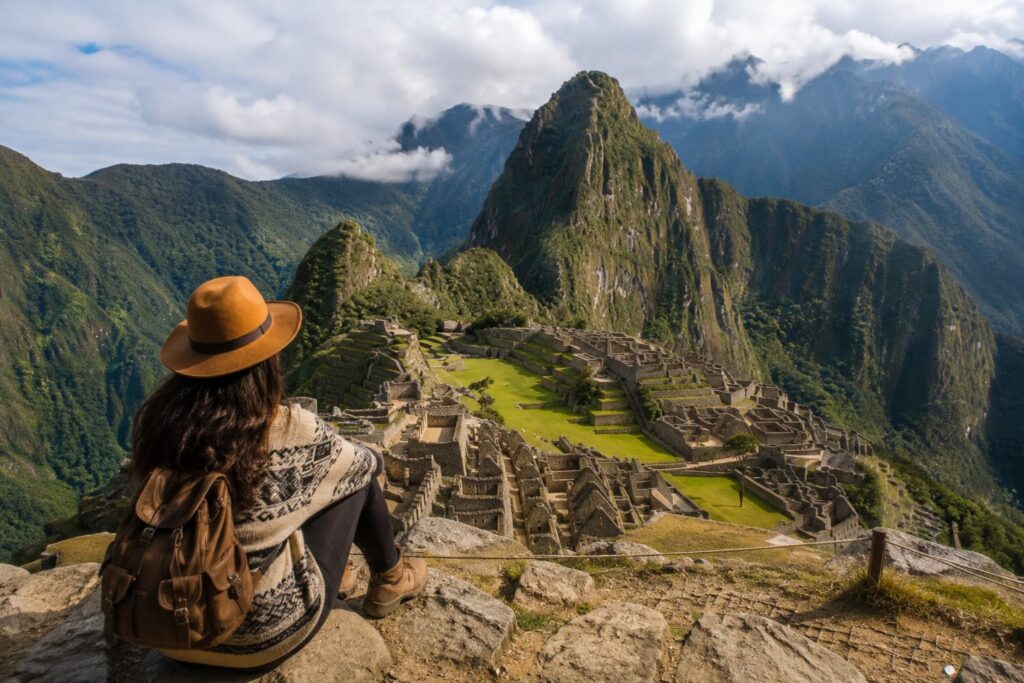
This is the reason most people come, and it lives up to the hype. You base yourself in Cusco, the old Inca capital, a beautiful city in its own right, then explore the Sacred Valley’s dramatic ruins and vibrant markets at places like Ollantaytambo and Pisac. The grand finale is Machu Picchu itself, the mist-wrapped citadel perched high above the Urubamba River, reached by scenic train or by trekking.
Standing among those perfectly cut stones with the green peaks all around is genuinely moving, the kind of view that recalibrates your sense of what humans can build. A knowledgeable guide turns it from a photo stop into a story.
Note that visiting now requires timed-entry tickets and a set circuit, so plan ahead. And give yourself time in Cusco first to adjust to the altitude.
Best for first-time visitors and anyone who wants Peru’s unmissable heart.
3. The Wild Color of the Andes: Rainbow Mountain and Day Hikes
Beyond the ruins, the Andes themselves are the draw. Rainbow Mountain, or Vinicunca, is striped with vivid mineral colours and sits above 5,000 metres, a surreal, humbling place to stand. Nearby, the glacier-fed Humantay Lake glows an unreal turquoise, and quieter alternatives like Palccoyo reward those who prefer fewer crowds.
These are big, lung-testing days out, and reaching a high pass under your own power delivers a satisfaction that is hard to match. The scenery is otherworldly, and the sense of accomplishment is real.
The altitude here is serious, so these hikes are only for the properly acclimatized, and a reasonable level of fitness helps a lot.
Best for active travelers who want dramatic high-country scenery and a genuine physical challenge.
4. Into the Amazon: Peru’s Rainforest
Half of Peru is rainforest, and stepping into it is a completely different kind of wonder. From Puerto Maldonado, an easy hop from Cusco, or the river city of Iquitos, you reach jungle lodges where days are spent on canoe trips, canopy walks, and wildlife searches for monkeys, macaws, caimans, and even pink river dolphins.
The Amazon has a way of slowing you right down. The soundscape alone, a wall of birds, frogs, and insects, is a full reset for an overstimulated mind, and the biodiversity is staggering.
It is hot, humid, and buggy, and the remoteness can mean simpler comforts, so come for the nature rather than expecting a conventional resort experience.
Best for wildlife lovers and anyone craving deep immersion in the wild.
5. The Lake and the Coast: Lake Titicaca and Lima
To round out the country, add its highlands and its coast. Lake Titicaca, the highest navigable lake on earth, shimmers between Peru and Bolivia, and from the town of Puno you can visit the extraordinary Uros floating islands, built from reeds, and Taquile Island with its living weaving traditions. It is a window into cultures found nowhere else.
Then there is Lima, an underrated capital and one of the world’s great food cities, with colonial plazas, clifftop coastline, and restaurants worth the trip on their own. It is the perfect place to begin or end.
Lima provides a useful lower-altitude break, while Lake Titicaca is actually higher than Cusco, so allow for acclimatization before heading to Puno.
Best for travelers who love culture, food, and a slower pace alongside the adventure.
A Few Practical Things Before You Go
Acclimatize before anything strenuous. Spend two or three days adjusting before tackling the highest hikes. Cusco sits at around 3,400 metres, while parts of the Sacred Valley are considerably lower and can make a gentler first stop. Go slowly, drink plenty of water, and pay attention to symptoms rather than trying to push through them.
Time your trip for the dry season, May to October, with June through August generally the driest and busiest. Book Machu Picchu tickets well in advance, and if you want the Classic Inca Trail, secure permits months ahead, remembering that the trail normally closes during February for maintenance. Give Peru at least a week if you can, and considerably longer if you want to combine the Andes, Amazon, Lake Titicaca, and Lima without rushing.
Pack layers for cold nights and strong high-altitude sun, plus rain gear and insect protection for the jungle. Time outdoors, physical activity, and experiences that inspire awe can also contribute positively to mental wellbeing, though a trip is no substitute for professional care when that is needed.
For planning, the official Peru tourism site is a great start, and UNESCO’s page on Machu Picchu is worth a read. Both pair well with any related travel guides already on the site.
Choosing the Right One for You
Peru rewards travelers who match the trip to what they are looking for.
Start by comparing your options through Peru Guided Tours so you get a well-paced, well-guided trip. Here for the history, prioritize Machu Picchu and the Sacred Valley. Craving mountains and challenge, chase Rainbow Mountain and the high-country hikes. Drawn to wild nature, head into the Amazon. Love culture and food, spend time at Lake Titicaca and in Lima.
However you do it, go and collect some awe. Standing beneath ancient peaks, or watching the morning light reach an Inca citadel, has a way of putting everyday concerns back into perspective. Peru offers those moments in abundance.
Author note: recommendations here are based on Peru’s established regions and reputable operators. Prices, seasons, permits, and entry rules change, so confirm the current details and prepare properly for the altitude before you go.